
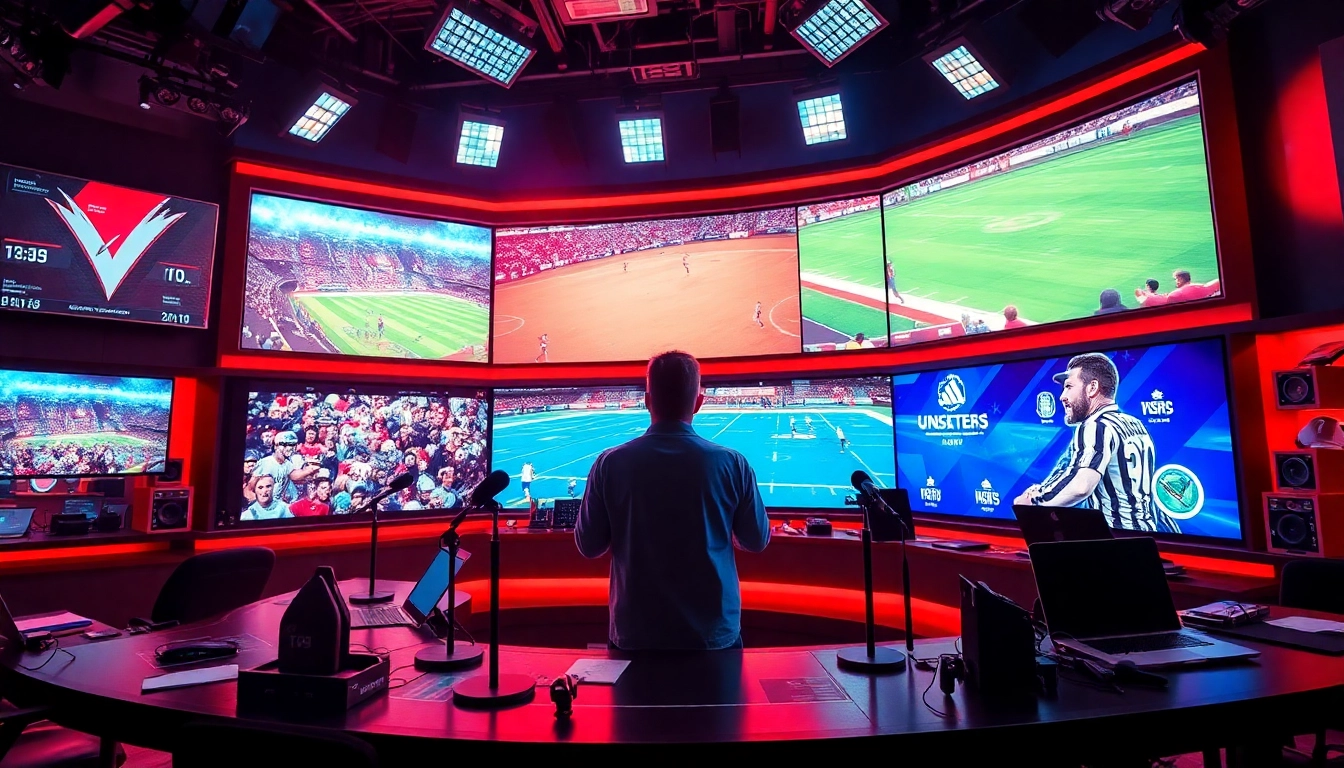
Understanding Sports Broadcasting
What is Sports Broadcasting?
Sports Broadcasting is the dissemination of sports events and related content through various media channels, including television, radio, and online platforms. It plays a crucial role in how fans engage with their favorite sports, providing them with live commentary, insights, and highlights of games. The primary objective of sports broadcasting is to entertain, inform, and connect fan communities while ensuring that the excitement of live sports reaches a broader audience. In today's digital landscape, Sports Broadcasting has evolved significantly, with multiple platforms vying for viewer attention through innovative content delivery methods.
The Evolution of Sports Broadcasting
Sports broadcasting has come a long way since its inception. The early 20th century saw radio broadcasts of major sporting events, providing fans with live updates and play-by-play commentary. In the mid-20th century, television emerged as the dominant medium, revolutionizing the way fans experienced sports. The introduction of color broadcasting, instant replays, and multi-camera angles enriched viewer engagement and enhanced the sports experience.
The advent of the internet has ushered in a new era of sports broadcasting. Streaming services and social media have enabled fans to consume content on-demand, diverging from traditional scheduled broadcasts. Technological advancements, such as mobile apps and high-definition streaming, have further catered to the modern viewer's needs, allowing them to watch live events from anywhere in the world.
The Role of Technology in Sports Broadcasting
Technology is at the heart of effective sports broadcasting. From high-definition cameras and drone footage to augmented reality graphics, cutting-edge tools play a crucial role in creating engaging broadcasts. These technological innovations not only enhance the viewing experience but also enable broadcasters to analyze games more thoroughly.
In addition, data analytics has become an integral part of sports broadcasting. By analyzing player performance and viewer behavior, broadcasters can tailor their content to better engage audiences. This data-driven approach allows networks to personalize content, target advertisements, and improve overall viewer satisfaction.
Best Practices for Sports Broadcasting
Engaging Your Audience
Engagement is the cornerstone of successful sports broadcasting. Broadcasters must develop strategies to captivate audiences beyond just airing live games. Interactive elements, such as polls, chat features, and Q&A sessions with athletes, help build a community among viewers.
Engaging storytelling is another effective technique. Highlighting player backgrounds, rivalries, and significant moments in sporting history creates emotional connections with viewers, making the broadcast more relatable and enjoyable. Additionally, integrating viewer-generated content can enhance engagement and foster a sense of inclusion.
Effective Communication Techniques
Clear and effective communication is vital in sports broadcasting. Broadcasters should focus on providing concise and accurate commentary, helping viewers understand the nuances of the sport. Utilizing various communication styles—such as humor, enthusiasm, and expert analysis—can cater to different audience preferences.
Moreover, training commentators to maintain a consistent tone and pace will ensure the broadcast flows smoothly. Commentary should complement the game's action, enhancing the viewer's experience without overshadowing it.
Creating Compelling Content
Creating compelling content is essential to attract and retain viewers. This involves not only focusing on the live event but also producing supplementary content, such as interviews, behind-the-scenes features, and analysis segments. Leveraging social media platforms to share snippets and highlights can generate buzz around upcoming events.
In addition, addressing current issues, player stories, and sports trends can provide depth and resonate with audiences. This diverse content strategy helps broadcasters establish themselves as authoritative voices within the sports community.
Challenges in Sports Broadcasting
Dealing with Live Events
Broadcasting live events poses unique challenges. Unforeseen circumstances, such as weather disruptions, technical failures, or unexpected game incidents, can impact the quality of the broadcast. To mitigate these issues, effective planning and contingency strategies are crucial.
Practicing scenarios, having backup systems in place, and maintaining clear communication with the production team can help address potential issues swiftly. Flexibility and adaptability are essential traits for broadcasters in ensuring a seamless viewing experience even amidst chaos.
Managing Viewer Expectations
In today's fast-paced media landscape, managing viewer expectations is a significant challenge. Audiences are accustomed to high-quality broadcasts and instant access to information. Meeting these demands requires continually updating technology and content delivery methods.
Broadcasters must also remain vigilant in addressing viewer feedback. Monitoring social media channels and engaging with audiences helps identify areas for improvement, allowing broadcasters to adjust their strategies and content to meet evolving viewer expectations effectively.
Overcoming Technical Issues
Technical issues can disrupt the flow of a broadcast and negatively impact viewer satisfaction. In sports broadcasting, these issues can manifest as audio problems, dropped connections, or video feed interruptions. Streamlining operations with modern broadcasting software and hardware is paramount to minimizing such disruptions.
Regular maintenance and system updates are essential to ensure reliability. Additionally, having a dedicated team that specializes in troubleshooting can help resolve issues quickly, ultimately enhancing the viewer's experience.
Enhancing Viewer Experience in Sports Broadcasting
Utilizing Multiple Platforms
With the rise of digital media, utilizing multiple platforms has become critical for enhancing viewer experiences. Broadcasters should consider simultaneous streaming across various platforms, including social media, dedicated apps, and websites, to reach a broader audience.
This cross-platform strategy enables viewers to choose their preferred method of engagement while ensuring they do not miss key moments from their favorite events. It is essential to maintain a cohesive brand presence across these platforms while adapting content formats to suit each one.
Interactive Features and Fan Engagement
Incorporating interactive features can significantly enhance viewer engagement. Options such as live chats, player Q&A sessions, and interactive statistics allow fans to engage with broadcasts in real-time. These features create a two-way communication channel between broadcasters and viewers, fostering a sense of community.
In addition, gamification elements—such as fantasy league integration, trivia contests, and voting for player awards—can further engage fans and heighten their investment in broadcasts.
Analyzing Viewer Data for Improvement
Data analytics is critical for understanding viewer behavior and preferences in sports broadcasting. By analyzing metrics such as viewership numbers, engagement rates, and demographic data, broadcasters can tailor their content more effectively.
Implementing feedback loops allows organizations to continuously refine their strategies and enhance the viewer experience. Regularly assessing performance metrics will help identify strengths and areas for improvement within the broadcasting framework.
Future Trends in Sports Broadcasting
The Rise of Streaming Services
The dominance of traditional cable television is declining, with streaming services increasingly taking center stage in sports broadcasting. Businesses are shifting to on-demand content delivery models to meet changing viewer preferences for flexibility and accessibility.
As more viewers favor streaming, broadcasters must adapt by partnering with or developing their own streaming platforms. This shift allows for diverse content offerings and potentially greater revenue streams through subscriptions and advertising.
Innovations in Augmented Reality
Augmented reality (AR) is poised to transform the sports viewing experience. Integrating AR technology creates immersive environments that allow fans to visualize stats, player information, and interactive elements on their screens. This technological advancement elevates the broadcast beyond traditional formats and can spark increased viewer engagement.
Broadcasters exploring AR solutions can enhance storytelling, create unique game experiences, and open new avenues for fan interaction, all while presenting compelling content that captivates audiences.
The Impact of Social Media on Sports Broadcasting
Social media has become an integral tool for sports broadcasters, offering new channels for engagement and content dissemination. Live tweeting during games, sharing highlights on platforms like Instagram and TikTok, and leveraging influencers can significantly boost viewer interest and participation.
The interactive nature of social media also allows fans to engage directly with teams, broadcasters, and fellow viewers, fostering a sense of community. As trends evolve, effective use of social media can be a game-changer in reaching new demographics and enhancing the overall viewer experience.
Frequently Asked Questions
What is Sports Broadcasting?
Sports Broadcasting involves transmitting live sports events, commentary, and analysis through various media platforms to entertain and inform audiences globally.
How has technology changed sports broadcasting?
Technology has enhanced sports broadcasting through high-definition streaming, augmented reality, data analytics, and interactive features, enriching viewer experience significantly.
What are the main challenges in sports broadcasting?
Key challenges include dealing with live events, managing viewer expectations, and overcoming technical issues while ensuring seamless content delivery to audiences.
Why is audience engagement important in sports broadcasting?
Audience engagement fosters a community feeling, enhances viewer loyalty, and increases overall satisfaction, leading to higher retention rates and viewership numbers.
What future trends can be expected in sports broadcasting?
Future trends include the rise of streaming services, advanced AR integration, and growing importance of social media for interactive engagement and content sharing.