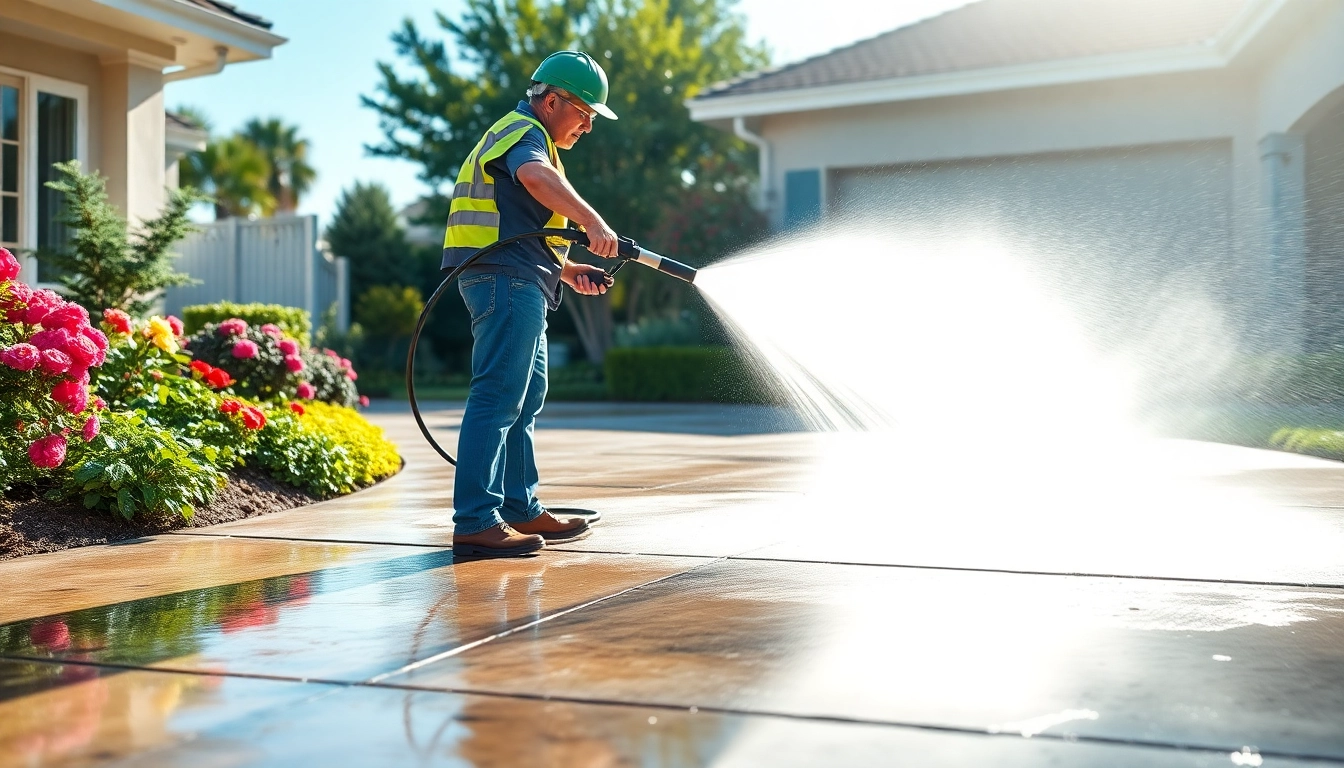
Understanding Driveway Pressure Wash: What You Need to Know
Maintaining a clean driveway not only enhances the aesthetic appeal of your home but also prolongs the life of the surface material. Driveway pressure washing is an effective method to remove dirt, oil stains, algae, and other debris that accumulate over time. Understanding the ins and outs of this process can empower homeowners to either undertake the task themselves or make informed choices when hiring professionals. When exploring options, Driveway pressure wash services in Central Florida can offer exceptional results and relieve you from the hassle of DIY cleaning.
1. What is Driveway Pressure Washing?
Driveway pressure washing involves using high-pressure water spray to clean the surface of driveways, typically made from concrete, asphalt, or pavers. This technique efficiently dislodges stubborn grime, grease, mold, and algae that accumulate due to weather conditions, foot traffic, and vehicle use. It is crucial to use the right equipment and techniques to ensure effective cleaning without damaging the surface.
2. Benefits of Regular Driveway Maintenance
- Enhanced Curb Appeal: A clean driveway instantly improves the look of your property, making it more inviting for visitors.
- Prevention of Damage: Regular cleaning helps prevent mold and mildew from taking hold, which can lead to costly repairs later on.
- Increased Property Value: Maintaining your driveway can increase the overall value of your home.
- Safety: A clean driveway reduces hazards such as slippery surfaces caused by mold or algae growth.
3. Common Materials and Their Cleaning Requirements
Different driveway materials require different pressure washing techniques and products:
- Concrete: This is the most common driveway material and generally withstands high pressure for effective cleaning.
- Asphalt: Asphalt driveways are more sensitive to high pressure; lower settings are recommended to avoid surface damage.
- Pavers: Pressure washing can clean pavers effectively, but care should be taken to avoid dislodging them.
Preparing Your Driveway for a Pressure Wash
1. Essential Tools and Equipment Needed
Before starting your driveway pressure washing project, gather the following tools:
- Pressure washer with adjustable settings
- Surface cleaner attachment (optional for larger areas)
- Protective gear (gloves, goggles, and boots)
- Cleaning solutions suitable for your driveway material
- Broom or leaf blower for debris removal
2. Safety Precautions and Best Practices
Safety is paramount when pressure washing:
- Wear protective eyewear and gloves to shield against debris and cleaning agents.
- Be cautious of electrical outlets and overhead wires in your working area.
- Test the pressure washer on a small area to determine the appropriate pressure settings for your surface material.
3. Pre-Cleaning Steps to Maximize Efficiency
Before you start cleaning, follow these steps to prepare your driveway:
- Clear the driveway of any furniture, pots, or debris that might interfere with cleaning.
- Use a broom or leaf blower to remove loose dirt and leaves.
- Apply a suitable cleaning solution to any tough stains and let it sit for a few minutes.
Step-by-Step Guide to Pressure Washing Your Driveway
1. Choosing the Right Pressure Settings
Adjusting the pressure setting on your washer is crucial:
- For concrete, a pressure setting between 2500-3000 PSI is effective.
- For asphalt, aim for 1500-2000 PSI to avoid damaging the surface.
- For pavers, use 2000-2500 PSI while maintaining a safe distance from the surface.
2. Techniques for Effective Cleaning
Employ these techniques to enhance cleaning efficiency:
- Use a consistent sweeping motion across the surface to avoid streaks.
- Overlap your cleaning paths slightly to ensure thorough coverage.
- For tough stains, focus on them for a few seconds before moving on.
3. Post-Cleaning Care and Recommendations
After washing, allow the driveway to dry completely. Consider applying a sealant to protect the surface from oil stains, debris, and weather elements. Regular maintenance will keep your driveway in prime condition.
Common Misconceptions About Driveway Pressure Washing
1. Is Pressure Washing Safe for All Driveway Materials?
While pressure washing is generally safe, the technique and water pressure must be adjusted based on the driveway material. Always perform a test patch to check for any adverse reactions.
2. Debunking Myths About DIY Pressure Washing
Many believe that DIY pressure washing is easy and fails to recognize the potential for damage. Understanding the equipment and appropriate techniques is crucial to avoid costly repairs.
3. Understanding Eco-Friendly Cleaning Practices
There are eco-friendly cleaning solutions available that effectively clean without harming the environment. Opt for biodegradable products that do not contain harsh chemicals.
Why Choose Professional Services for Your Driveway Pressure Wash?
1. Advantages of Hiring Experts
Hiring professionals for driveway pressure washing can save you time and ensure high-quality results. Experts understand the nuances of different materials and have access to advanced equipment.
2. Cost Considerations and Value Assessment
While professional services may involve a higher upfront cost, the long-term benefits of maintaining your driveway can justify the expense. Regular cleaning can prevent costly resurfacing in the future.
3. What to Expect from a Professional Service
When hiring a professional, expect a thorough assessment of your driveway, tailored cleaning schedules, and the use of proven techniques to achieve the best results.